

In hip-hop, everybody talks about pocket- how a snare sits a few milliseconds behind the kick, how a bassline breathes without stepping on the vocal, how a beat feels locked in even when the tempo pushes forward. Great cinematography works the exact same way. When a visual hits right, you don’t think about gear ratios or exposure stops; you just feel the drop.
Satish Venkataramana has spent more than twenty years finding that exact pocket in the real world. Coming up from the camera trenches in the 2000s, he built his reputation on sets where nothing was static, nothing was polite, and every frame had to survive heat, crowds, and motion. Production logs trace his run from second assistant camera on The Bourne Supremacy (2004) in Goa and Slumdog Millionaire (2008) in Mumbai to camera loader on The Best Exotic Marigold Hotel (2011), second AC on Mission: Impossible – Ghost Protocol (2011) around Mumbai’s historic Victoria Terminus/CSMT zone, and camera work across international and Indian productions.
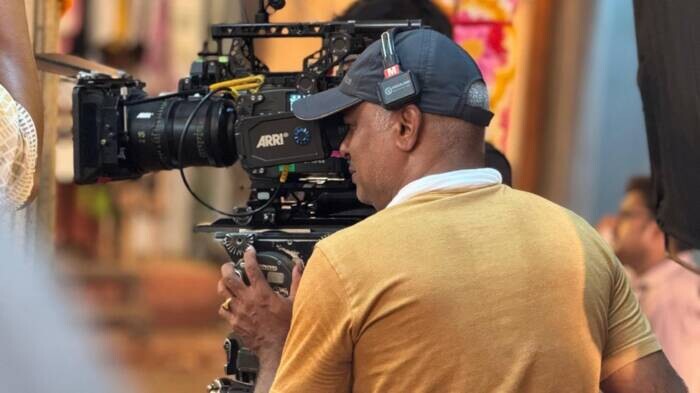
For record labels, creative directors, and producers building visual identities around artists, his background hits on what music visuals live or die by: kinetic pocket without losing focus, street and location grit over sterile sets, and format fluency from film to digital. Action sequences in The Bourne Supremacy and Ghost Protocol demanded moving cameras through dense, unpredictable spaces while locking focus on fast-moving subjects—the exact instinct a performance visual or street single needs so camera movement rides the hi-hat without turning the artist into a blurry smudge.
Shooting in packed Indian transit corridors and high-density neighborhoods—the kind of pressure-cooker environments seen on Slumdog Millionaire and Ghost Protocol—also teaches you how to work fast in real spaces without slowing down the talent. For labels shooting tour recaps, cyphers, or raw city rollouts, speed and adaptability keep the energy authentic.
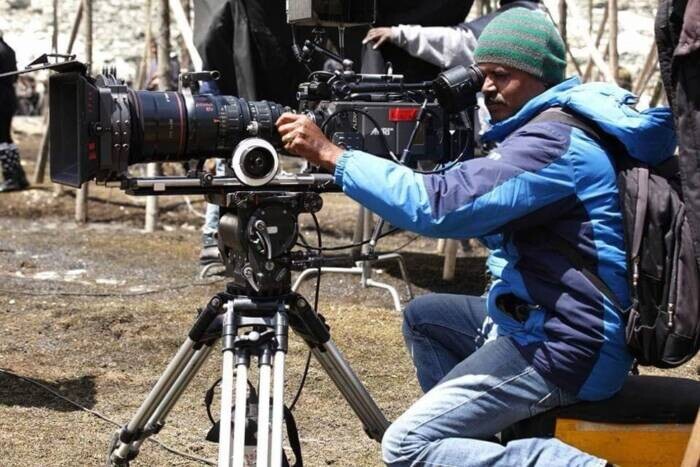
While he has worked with the latest revisions of ARRI Alexa, Blackmagic and RED, his career credits span classic film systems like ARRI and Panavision anamorphic glass alongside compact digital setups like the Canon EOS-1D Mark III and Silicon Imaging SI-2K Mini on Slumdog Millionaire. Whether a campaign calls for grainy 35mm texture, wide anamorphic widescreen, or nimble run-and-gun digital coverage, he speaks both languages fluently.
Now stepping into the lead Director of Photography chair for upcoming projects, Satish brings a rare mix of veteran set discipline and fresh lead-lens ownership. For hip-hop acts and labels hunting for visuals with real weight—less glossy commercial polish, more chest-thumping presence—that transition is worth watching closely.
© 2026, StanleyGatero. All rights reserved.