

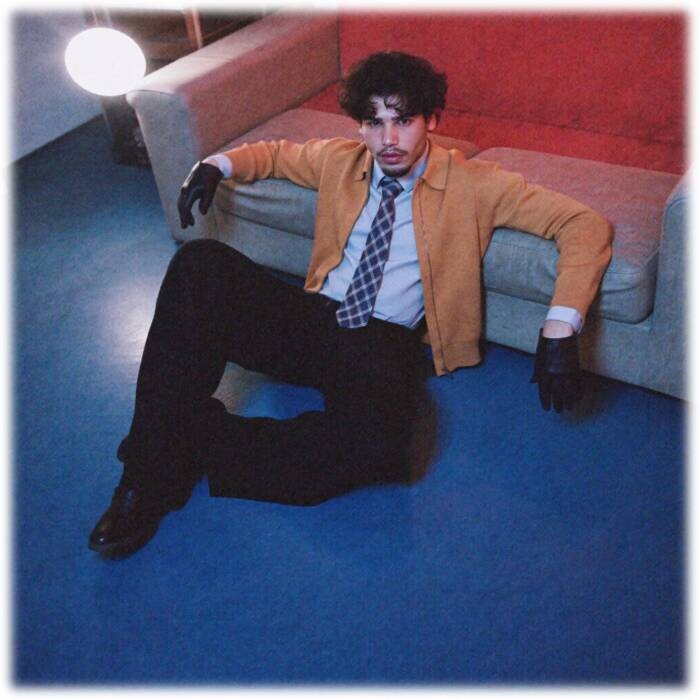
Adam Faybrem has emerged as a meticulously crafted presence in contemporary pop, an artist whose work fuses cinematic scale with intimate emotional precision. His 2027 album “If The Hills Could Talk” and its centerpiece single “Paparazzi” mark the fullest expression yet of a sound he has spent years refining: large, dramatic productions that still carry the groove and R&B undercurrents that have always defined him. The record does not merely present songs; it constructs a world of shadowed ambition, private longing and the quiet tension of being observed. In this chapter of his career, the music has found sharper focus and broader reach through a pivotal professional alliance with manager Kimberly Strauss of Next Level Entertainment, a partnership that has become instrumental in translating artistic vision into strategic momentum.
“Paparazzi” itself was conceived as a piece of cinematic pop that feels like a scene unfolding on screen. Faybrem sought a track that could capture the charged atmosphere of attention, the mixture of allure and unease that accompanies being watched or pursued. The song draws from both personal observation and stories shared by those closest to him, allowing him to transform individual moments into something widely recognizable. Its production balances sweeping, filmic textures with the rhythmic sophistication he has long favored, creating a record that feels both immediate and expansive. The soft release in early September served as a measured introduction, giving the music space to breathe before a more ambitious December campaign that places greater emphasis on radio, visual storytelling and digital reach. That deliberate pacing reflects an artist who refuses to rush material he believes in, and it is precisely this kind of long-view approach that his management team has helped protect and amplify.
The album title “If The Hills Could Talk” arose from Faybrem’s repeated encounters with Los Angeles, a city whose glittering surface conceals generations of unspoken narratives. The Hollywood Hills become a metaphor for everything left unsaid: sudden rises, private collapses, ambition pursued in isolation, and the complicated relationships that form in the shadow of public success. While the record is rooted in that sense of place, its emotional territory extends far beyond geography, exploring love, isolation, temptation and the lives people lead when the doors are closed. Throughout the project Faybrem has pushed himself as a storyteller, crafting songs that move between bold, theatrical statements and quieter, more vulnerable passages. “Paparazzi” functions as a natural bridge between this cinematic direction and the more intimate, R&B-leaning territory of his concurrent project “DIVINE”, demonstrating how both sides of his musical personality can coexist within a single composition.

Songwriting remains the foundation of everything Faybrem creates. He works primarily from melody, often hearing fragments of tunes or wordless phrases before any lyric takes shape. Once a melody feels inevitable, he builds narrative around it, paying close attention to structure so that verses carry weight, pre-choruses create lift, and choruses lodge after only one or two listens. He has long studied the craft of writers and producers who understood how to marry emotional truth with commercial clarity, and that influence is audible in the precision of his own work.
Collaboration remains essential. On “Paparazzi,” producer Nate Skender helped realize the sonic architecture, while guitarist Cory Clark, mixer William Binderup and mastering engineer Nicolas De Porcel each contributed to the finished record. Faybrem is careful to acknowledge these partnerships, recognizing that even the clearest artistic vision benefits from skilled hands that can elevate it.
The evolution from his earlier identity as Fuzz to Adam Faybrem was less a reinvention than a clarification. The earlier name had carried him through formative releases, including his 2013 independent single “With The Lights On,” which reached No. 10 on the UK Commercial Pop Chart, yet it no longer reflected the more defined artist he was becoming. The new name, drawn from elements of his own, signaled greater confidence in musical direction and a fuller understanding of the complete creative picture: songwriting, production, visuals, performance and the larger narrative an artist presents.
That same maturity informs his relationship with fame. Faybrem has always wanted his music to travel widely, yet he remains protective of the boundary between public recognition and private life. He values the kind of mystery once cultivated by the artists who shaped him, believing that an audience does not need constant access to every personal detail in order to feel connected to the work.
Live performance sits at the Centre of his ambitions. Faybrem approaches the stage as an extension of the cinematic worlds he builds on record, envisioning shows that combine dramatic lighting, purposeful choreography and strong visual design without ever allowing production to overshadow voice or musicianship. He wants a setlist that feels like a journey, capable of capturing festival audiences who may be encountering his music for the first time while still offering depth for those who already know the songs. Documented performances have become valuable tools in this process, providing clear evidence of stage presence and the overall direction of his live work. The support of his team has been particularly significant in this area, helping to position the music within the right professional conversations and ensuring that creative ideas for the stage are matched by practical pathways forward.
Radio continues to play a meaningful role in his strategy. While streaming has transformed how independent artists reach listeners, Faybrem still regards traditional airplay as a powerful form of simultaneous discovery. Earlier successes on the airwaves left a lasting impression, and the early radio presence of “Paparazzi” on selected American stations has reinforced the value of that channel. Expanding those relationships remains a priority, one that benefits from the focused advocacy of a dedicated management team. They have helped coordinate these efforts alongside digital and visual campaigns, creating a more cohesive framework around the music.
Throughout his development, Faybrem has emphasized the necessity of the right people. Talent and persistence matter, yet certain forms of growth require partners who understand both the artistic vision and the long-term strategy required to sustain it. His collaboration with Kimberly Strauss of Next Level Entertainment represents that kind of partnership: one grounded in genuine belief in the work and a shared commitment to protecting its integrity while expanding its reach. The relationship has allowed him to concentrate more fully on writing, recording and conceptualizing the larger world of “If The Hills Could Talk”, confident that the professional infrastructure around the music is aligned with his ambitions.
Looking ahead, Faybrem’s focus remains on establishing himself as a significant live artist capable of delivering fully realized concert experiences built around the new material. He imagines productions that honor the cinematic quality of the songs while creating genuine emotional connection with audiences. Music has long served as both escape and companion for him; the hope is that his own performances can offer others a similar sense of recognition and lift. With the creative clarity of “If The Hills Could Talk” and the steady guidance of his management team, that next chapter feels less like a distant aspiration and more like a carefully prepared continuation of the work already underway.
© 2026, StanleyGatero. All rights reserved.