
How rappers, producers, DJs and urban artists are turning cover art, merch and street promotion into direct connections with their music.
Hip-hop has always understood the power of visuals.
From legendary album covers and mixtape artwork to street posters, graffiti, flyers, sneakers and custom merchandise, the culture has never been just about what you hear. The visual identity surrounding an artist can become almost as recognizable as the music itself.
But there is one problem with traditional promotion.
Someone can see a poster on the street, notice an artist’s new cover or spot a hoodie with an interesting design, but what happens next?
They might remember the artist.
They might take a picture.
Or they might simply keep walking.
Artvizual Interactive QR code artwork creates another possibility: scan it and go straight to the music.
When Album Artwork Becomes Interactive
A traditional QR code is functional, but it isn’t exactly known for being visually exciting.
The familiar black-and-white pattern can look completely disconnected from a carefully designed album cover or promotional graphic.
Creative QR codes take a different approach.
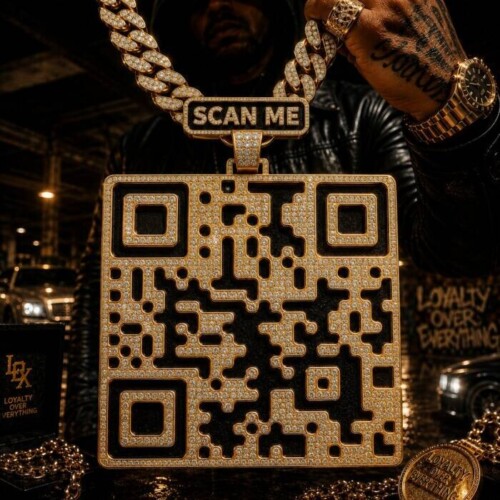
Instead of treating the QR code as something that has to be stuck in the corner of the artwork, the design can become part of the visual concept itself.
The QR pattern can be developed around the colors, mood, imagery and identity of the release while retaining the structure necessary for scanning.
For a rapper dropping a new single, for example, the QR code could become part of the cover artwork and send listeners directly to the track.
For a producer, it could lead to a beat tape.
For a DJ, it could open a playlist or upcoming event.
For an artist preparing an album, it could connect fans to the full release.
The artwork catches the eye.
The QR code gives the viewer somewhere to go.
Hip-Hop Has Always Connected Art and Promotion
There is nothing particularly new about using visuals to promote music.
Hip-hop grew alongside flyers, mixtapes, graffiti, record stores, street teams and independent promotion. Artists and crews have always looked for ways to get their names and music in front of people.
The difference today is where the music lives.
A physical flyer might promote a song that exists on Spotify.
A poster might advertise a show where tickets are sold online.
A hoodie might carry an artist’s identity while the artist’s entire catalog sits on YouTube or another streaming platform.
QR codes can connect those two worlds.
Instead of asking someone to remember an artist’s name and search for them later, the promotional material can provide an immediate path.
The Street Poster Gets a Digital Upgrade
Imagine walking past a poster promoting an upcoming rap single.
The artwork catches your attention. The artist looks interesting. The title stands out.
Normally, that’s where the interaction ends.
With an interactive QR code integrated into the artwork, the poster can become a direct gateway to the song.
The same concept works for street flyers, event posters, stickers and promotional cards.
It doesn’t mean every person will scan it.
But it gives interested people an immediate opportunity to take the next step.
That is particularly useful for independent artists who don’t have huge marketing budgets and need their promotional materials to work harder.
From Mixtapes to Merchandise
Hip-hop merchandise has always been part of the culture.
T-shirts, hoodies, caps and other pieces aren’t simply advertising. They can become part of an artist’s identity and something fans actually want to own.
Adding an interactive QR code creates another layer.
A hoodie could link to the artist’s latest project.
A shirt could take fans to a music video.
A sticker could connect to a new single.
A physical release could send listeners to additional digital content.
The merchandise remains merchandise, but it can also become another promotional touchpoint.
More Than Just a QR Code
The visual side is where things get interesting.
A standard QR code can perform its job perfectly well, but it doesn’t necessarily feel connected to the creative identity of an artist.
A custom QR code can be designed to feel like part of the artwork.
This is the approach behind Artvizual, a creative studio focused on branded, artistic and interactive QR code experiences.
Rather than simply placing a standard QR code over an existing image, Artvizual creates QR artwork around the visual direction of a project, including an artist’s colors, imagery, branding and overall creative style.
For hip-hop and urban artists, that could mean creating QR artwork specifically for a single, mixtape, EP, album, tour or promotional campaign.
The goal isn’t to make the QR code disappear.
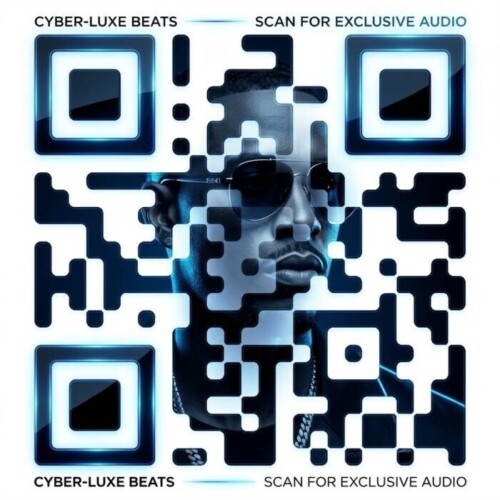
The goal is to make it belong.
For example, an artist can turn the cover itself into an interactive element with an artistic QR code album cover designed around the visual identity of the release.
Where Rap and Urban Artists Can Use Interactive QR Codes
There are plenty of opportunities beyond album covers.
- Single and mixtape artwork can send listeners directly to a release.
- Concert posters can connect fans with tickets and event information.
- Street flyers can send people directly to a new track or music video.
- Merchandise can connect fans with an artist’s latest project.
- Stickers can turn physical street promotion into a digital discovery point.
- CD and vinyl packaging can provide additional content beyond the physical release.
- Social media graphics can give audiences another way to move from visual content to music.
For labels, managers and music marketers, these applications can also become part of a larger release campaign.
Making Every Promo Piece Work Harder
For independent rappers and urban artists, getting attention is only half the battle.
The real challenge is turning that attention into something.
A person sees the artist.
Then they need to listen.
Then maybe follow.
Then perhaps watch the video, buy the merch, attend the show or share the music.
The easier that journey becomes, the less opportunity there is for someone to lose interest along the way.
An interactive QR code doesn’t guarantee streams or followers. Nothing does.
What it does is remove one of the barriers between discovering an artist and accessing the artist’s music.
That can be valuable when every listener counts.
The Future of Hip-Hop Promotion?
Hip-hop promotion has constantly evolved with technology.
Mixtapes gave way to digital downloads. Blogs became important discovery platforms. Social media changed how artists communicate with fans. Streaming transformed how music is distributed.
Now physical and digital promotion can overlap in new ways.
A poster doesn’t have to be just a poster.
A piece of merch doesn’t have to be just merch.
Album artwork doesn’t have to be static.
With an interactive Artvizual QR code, all of these things can become potential entry points into an artist’s digital world.
For rappers, producers, DJs, independent labels and urban artists, the idea is simple: make the visual experience part of the music experience.
The next time someone sees an artist’s cover on a wall, spots a flyer in the street or notices a hoodie at a show, there can be something waiting behind the artwork.
One scan can take them from the culture to the music.
© 2026, Logan. All rights reserved.