
Introduction
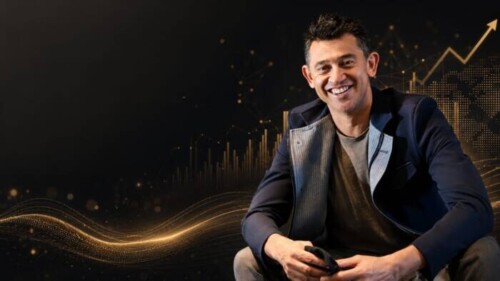
Darren Herft believes AI-generated music will become one of the defining forces shaping the future of the music industry. He says AI-generated music is changing how music is created, distributed, and monetized. Because of this, the industry is now forced to rethink authorship, royalties, and artist compensation.
Streaming is bigger than ever. Global recorded music revenue grew to $31.7 billion in 2025, and roughly 837 million people now pay for a subscription. At the same time, AI has started producing music at a scale no one expected. The streaming platform Deezer reported it was receiving up to 50,000 fully AI-generated tracks every day by late 2025.
In blind tests, most listeners could not tell the difference between AI music and human music. Darren Herft‘s point is that the industry is richer than ever, but it now faces a question it has never had to answer before.
The New Question Facing Music
For two decades, the big question in music was about format. How would people listen next? Today the question is about origin. When AI can create a believable track in seconds, new problems appear.
Who gets paid? How is money divided when many of the uploads have no human creator behind them? And how does a platform protect the human music its subscribers actually came to hear?
These are the questions Darren Herft has focused on in his recent commentary on AI and streaming.
Why Streaming Economics Make This Harder
To understand why AI matters so much, you have to understand how streaming pays artists. Most platforms use a shared pool of money. Every track competes for a piece of the same pool. So every new track, human or machine, takes a small share of what everyone else earns.
Now add 50,000 new AI tracks a day. Even if most of them get very few plays, together they pull money away from human artists. Darren Herft makes a sharp point here and says that AI does not need to create hit songs to affect streaming but it only needs to create volume.
The Challenge Platforms Face
Streaming platforms are in a strange spot. Revenue and subscriber numbers are at record highs. Yet trust in the music itself is under pressure, because AI tools can now produce tracks that sound just as good as human ones. Many artists already use these tools in some parts of their work.
So platforms have to do two things at once. They need to protect the value of human music, and they also need to use the real benefits AI offers. The goal is to do this without pushing away artists or subscribers.
Darren Herft points to a few clear steps platforms can take. They can label AI music so listeners know what they are hearing. They can design royalty systems so AI volume does not drain money from human artists. They can set up licensing deals that pay the artists whose work trained the AI. And they can build new types of products that depend on human presence and community, which AI cannot easily copy.
Platforms that get this right will protect their core strength and open up new income. Platforms that get it wrong risk becoming dumping grounds for endless content, where neither artists nor listeners feel supported.
Where the Money Is Heading
A major study projected that AI music could make up around 20% of streaming platform revenue by 2028. That is a striking figure. It means a fifth of streaming income could be tied to machine-made music within a few years.
For investors, this changes the questions worth asking about a music-technology company. How does the company handle AI music? Does it have licensing deals that will hold up as copyright lawsuits grow? Does it earn money in ways that do not depend only on streaming plays? Darren Herft tends to focus on exactly these points, because they separate a company that is simply riding a trend from one built to last.
What This Means for Artists and Listeners
For artists, the message is mixed. AI tools can lower costs and speed up the creative process, which is why so many musicians already use them. But the same tools can flood the platforms where artists earn their income. Darren Herft advises to use AI as a tool, but push hard for clear labelling, consent, and fair pay.
For listeners, the takeaway is quieter but just as real. The music economy you take part in every month is being rewritten. The choices platforms make about AI will help decide which artists can afford to keep making the music you love.
Conclusion
Music now has AI inside it at full scale, and the industry is both stronger and more exposed than ever. Record revenues sit next to a flood of machine-made tracks. The platforms that handle this well will shape the next ten years of the business.
Darren Herft‘s view matters because he treats AI as more than a technical story. He sees it as a question about trust, value, and human creativity. For anyone trying to understand where music streaming goes next, his perspective keeps both the technology and the money in clear view.
FAQs
What is AI-generated music?
ANS: It is music made wholly or partly by artificial intelligence trained on large libraries of existing recordings. Some tracks are fully machine-made. Many others are a mix, where an artist uses AI for parts of the work such as mastering or idea generation.
Is AI-generated music legal?
ANS: The law is still unsettled and differs from country to country. The biggest open questions are whether training AI on copyrighted music without permission is allowed, and who owns the result.
How does AI music affect artists’ royalties?
ANS: Most platforms pay from a shared pool. So a large volume of AI tracks can reduce the value of each play for human artists, even if each AI track earns very little on its own.
How should investors evaluate AI-music companies?
ANS: Look beyond subscriber growth. Check the company’s licensing deals, its exposure to copyright lawsuits, its labelling practices, and whether it earns money outside of streaming plays, such as through live events or fan products.
Can listeners tell AI music from human music?
ANS: Increasingly, no. Blind tests suggest most listeners cannot reliably tell the two apart. That is exactly why clear labelling has become such an urgent issue.
© 2026, Logan. All rights reserved.