
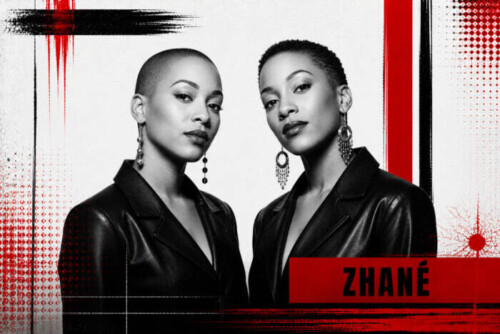
The influence of Zhané on hip hop is one of those subtle but undeniable threads that runs through the genre’s evolution, particularly in how it embraced smoother textures, melodic hooks, and a more refined sense of groove in the 1990s and beyond. While often categorized strictly within R&B, Zhané’s work exists in a space that directly intersects with hip hop’s sonic and cultural DNA, helping to shape a sound that producers, rappers, and audiences would come to rely on during a pivotal era.
Emerging in the early 1990s under the mentorship of Queen Latifah and her Flavor Unit collective, Zhané—comprised of Jean Norris and Renée Neufville—entered the scene at a time when hip hop was rapidly diversifying. The genre was expanding beyond its harder-edged roots into more commercially accessible and sonically varied territory. Zhané’s debut album, Pronounced Jah-Nay, arrived in 1994 and immediately established a template for blending hip hop rhythms with polished, jazz-inflected R&B vocals. Tracks like Hey Mr. D.J. and Groove Thang weren’t just radio hits—they became foundational references for how hip hop-adjacent music could feel sophisticated without losing its rhythmic core.
One of Zhané’s most important contributions to hip hop lies in their approach to groove. At a time when many hip hop tracks were built on looped breaks and minimalist production, Zhané leaned into lush arrangements, live instrumentation, and layered harmonies. This approach didn’t replace hip hop’s rawness; it complemented it. Producers began to recognize the commercial and emotional power of pairing hard drum programming with smoother melodic elements. This hybridization would go on to define much of the mid-to-late 1990s sound, influencing artists and producers working across both R&B and hip hop.
The duo also played a significant role in shaping the “hook culture” of hip hop. Their songwriting emphasized memorable, melodic choruses that could anchor a track and elevate its replay value. As hip hop became more radio-driven, the demand for strong hooks grew—and Zhané’s influence can be heard in how rappers increasingly collaborated with R&B singers or incorporated sung refrains into their own work. This trend is evident in the rise of artists who blurred the line between rapping and singing, as well as in the frequent pairing of rappers with vocalists on chart-topping singles throughout the late 1990s and early 2000s.
Zhané’s connection to the broader hip hop ecosystem was not just stylistic but structural. Being part of the Flavor Unit placed them within a network that included rappers, producers, and industry figures who were actively shaping the direction of hip hop culture. Their collaborations and associations helped reinforce the idea that R&B and hip hop were not separate silos but interconnected forms of expression. This integration would later become a defining characteristic of the industry, with artists moving fluidly between genres and audiences embracing the blend as the norm rather than the exception.
Another key aspect of Zhané’s influence is their role in elevating themes of sophistication, romance, and lifestyle within hip hop-adjacent music. While hip hop has always contained a wide range of subject matter, Zhané’s music emphasized a polished, adult perspective that resonated with listeners seeking something beyond the more aggressive or street-focused narratives. This tonal shift contributed to the rise of “grown and sexy” aesthetics in both R&B and hip hop, paving the way for artists who would later build entire brands around smoothness, confidence, and emotional nuance.
From a production standpoint, Zhané’s sound helped normalize the use of jazz chords, warm basslines, and intricate vocal arrangements within hip hop-influenced tracks. This can be seen as part of a broader movement that included neo-soul and jazz rap, but Zhané’s commercial success demonstrated that these elements could thrive in the mainstream. Producers who followed took note, incorporating similar textures into their work and expanding the sonic palette of hip hop in the process.
Even as hip hop continued to evolve into the 2000s and beyond, the blueprint that Zhané helped establish remained relevant. The fusion of melodic R&B sensibilities with hip hop rhythms became a standard formula, influencing everything from radio hits to underground releases. Artists across generations have drawn from this approach, whether consciously or not, reinforcing Zhané’s legacy as quiet architects of a sound that reshaped the genre.
In the end, Zhané’s influence on hip hop is less about direct imitation and more about foundational transformation. They helped redefine what hip hop could sound like, expanding its emotional and musical range while maintaining its core identity. Their work stands as a reminder that some of the most impactful contributions to a genre come not from dominating it outright, but from subtly reshaping its possibilities.
© 2026, Logan. All rights reserved.